Opening Scripture: When the Eye Becomes a Lamp
“The light of the body is the eye: if therefore thine eye be single, thy whole body shall be full of light.”
Matthew 6:22
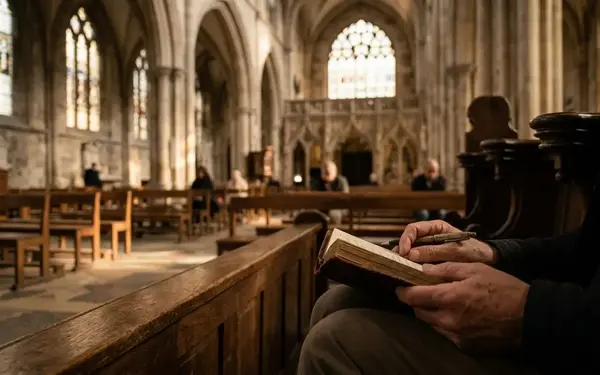
I begin here because this verse gives the whole practice its proper humility. The eye is not treated as a machine for extracting secrets from Heaven. It is treated as a lamp, a place where attention, intention, and inner condition meet.
Many readers arrive at channeled teachings carrying more than curiosity. Some come with grief that has not yet found language. Some come with hope for planetary healing. Others come with questions about Sananda, ascension, the Galactic Federation, or the larger architecture of Divine Law. In that state, the mind can lean forward too quickly. It wants confirmation, sequence, proof, relief.
Visual centering asks for something quieter.
It is a gentle discipline of attention before it is any kind of spiritual technique. The purpose is not to force visions, summon phenomena, or make the page perform. The purpose is to let the heart become receptive rather than restless. When the gaze steadies, the breath often follows. When the breath steadies, the reader may notice the difference between spiritual hunger and spiritual listening.
This distinction matters in an archive devoted to high-vibrational messages. A teaching can be beautiful and still be read impatiently. A sentence can carry consolation and still be used as a way to escape ordinary responsibility. Centered sight helps slow that impulse. It gives the reader a small threshold practice: before entering sacred language, become simple.
The eye becomes a lamp when seeing is joined to love.
What Visual Centering Means in a Spiritual Archive
Visual centering is the prayerful use of sight, focus, and stillness to gather scattered attention before reading, meditation, or discernment. It is practical. It uses the physical eyes as an aid to inward steadiness.
In the Kathryn E. May Archive, readers encounter ascension teachings, Sananda/Jesus messages, archangelic guidance, and language about planetary transformation. These teachings often carry emotional and symbolic weight. If the reader enters them while agitated, the material may be consumed rather than received.
Typical reading sessions may last roughly 15 to 45 minutes. In dense spiritual material, attention can begin to scatter after the first ten minutes or so. That does not mean the reader lacks devotion. It means the nervous system benefits from rhythm, pause, and return.
A grounded definition
Visual centering does not prove doctrine. It does not decode hidden signs. It does not produce extraordinary phenomena on demand. It simply gives the reader a point of return.
A candle flame. A clean margin on a printed page. Morning light on the wall.
That is enough.
Within this archive, the practice serves discernment. It prepares the reader to notice tone, inner response, ethical fruit, and resonance without rushing to dramatic conclusions. Sacred reading should deepen love and clarity. It should not make the mind more frantic.
Preparing the Sacred Field: Light, Posture, and Intention
The preparation should remain modest. I have found that elaborate visualizations can easily pull the mind into analysis, especially when a reader is already trying to understand complex spiritual language. For this reason, I keep the beginning plain.
- Choose one visual anchor.
- Sit upright, but not rigidly.
- Soften the jaw and shoulders.
- Name an intention inwardly.
The anchor may be a candle flame, morning light through a window, a printed message page, a small cross, a sacred image, or a clean blank space on the wall. If the environment is public or visually busy, a blank wall or the physical margin of a printed page may serve better than a lit candle.
Place the visual anchor roughly an arm's length away. If possible, let the gaze angle slightly downward, which can reduce eyelid strain. The body should feel invited, not commanded.
Recommendation: Choose the simplest anchor that allows you to return without effort. The object is not magical in itself. It serves as a quiet meeting place for attention.
The intention may be brief: “Let me read with love.” Or, “May I receive only what serves truth.” Avoid making the intention grand. A small sincere prayer often holds more steadiness than a ceremonial declaration made under pressure.
The Three Movements: Behold, Soften, Receive
The central framework is simple: Behold, Soften, Receive. These three movements pace the reader from active looking into quieter integration. They also help prevent the common habit of staring too hard, as though spiritual meaning could be extracted by force.
Behold
Rest the gaze on the chosen anchor without analyzing it. Notice color, light, shape, texture. If you are looking at a candle, do not hunt for messages in the flame. If you are looking at a page margin, do not strain to make it meaningful.
For the initial Beholding phase, a minute or so is sufficient. This is not a test of endurance. It is an arrival.
Soften
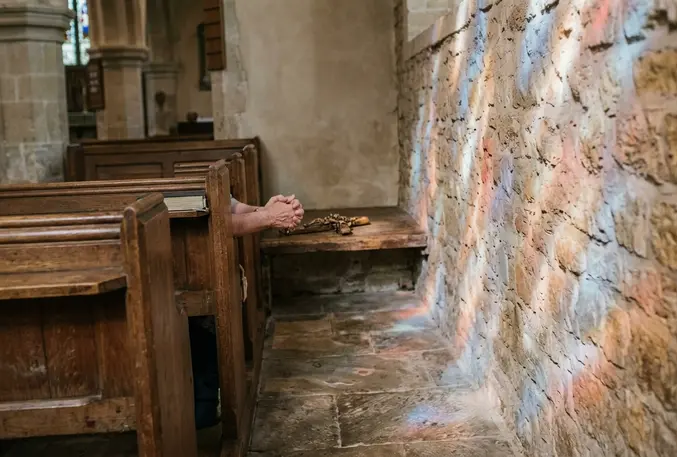
Allow the eyes to relax. Let the gaze become less sharp, almost as though the edges of the object may blur slightly. Pair this with slow breathing or a phrase such as, “Let me see with love.”
The Softening phase may continue for several minutes. If the eyes water, burn, or feel pressured, you are no longer centering; you are straining.
Risk Factor: Staring intensely at the visual anchor until the eyes water or strain can turn a devotional practice into bodily tension. Let the gaze soften. Close the eyes briefly if needed.
Receive
Receiving is quieter than searching. Sit for several minutes with the anchor nearby, but do not demand an impression. Let the body register calm. Let the heart become available.
Sometimes nothing notable happens. That can be clean and holy.
Reading Channeled Teachings With Centered Sight
Before reading a Sananda/Jesus message or an ascension teaching, pause. Let the eyes rest on the candle, window light, printed page, or clean margin for a few moments. This small pause changes the way the archive is approached.
Spiritually charged language can tempt the reader to rush toward conclusions. A phrase about planetary transformation may stir hope. A passage on Divine Law may stir accountability. A message of comfort may touch an old wound. Centered sight helps the reader move slowly enough to notice these responses without being ruled by them.
Read one paragraph at a time when the material feels dense. After a few paragraphs, return the gaze to the visual anchor for a short reset. If you are reading from a printed page, the margin itself can become the place of return. If you are near a window, let natural light hold the pause.
A slower archive rhythm
This is especially useful for readers who tend to binge-read channeled texts. The desire to keep going may feel devotional, but it can also become a way to avoid integration. Sacred language deserves digestion.
Ask after a paragraph: What quality did this awaken in me? Peace, resistance, tenderness, urgency, humility?
Then look away from the words for a moment. Let the teaching descend from thought into conscience.
Scope and Discernment: What This Practice Is Not
Because this page stands near scripture, spiritual authority, and archive-based teachings, the boundary must be clear. Visual centering is a devotional practice. It is not medical treatment. It is not psychological diagnosis. It is not a guarantee of revelation.
It can calm the nervous system prior to reading, but it cannot resolve underlying clinical anxiety or replace professional psychological support, especially when fear has already become somatic and persistent. This distinction belongs inside the practice, not outside it. Reverence requires honesty.
Do not interpret every visual impression as a message from the divine. Light flickers. Eyes adjust. The mind generates associations. Discernment matures when impressions are tested over time rather than seized immediately.
If a visual impression feels spiritually significant, hold it gently for a few weeks. Notice whether it bears fruit in humility, compassion, service, and steadier conduct. Immediate intensity is not the same as truth.
Critical Insight: The practice is not meant to make the reader more fascinated with signs. It is meant to make the reader more faithful in love.
The Fruits of Centered Seeing
The fruits of visual centering are usually quiet. Steadier attention. Gentler reading. Deeper gratitude. Less urgency. A renewed desire to serve.
These are not spectacular claims, and I prefer it that way. In lightworker spirituality, the inner life becomes more coherent when attention is less scattered. Coherence is not withdrawal from ordinary life. It is the ability to carry spiritual remembrance into speech, work, caregiving, repair, and patience.
If the practice leaves a reader more loving and grounded, it is bearing good fruit. If it makes a reader detached from responsibility, obsessed with impressions, or dismissive of human needs, the practice should be simplified or paused.
Keeping the reflection small
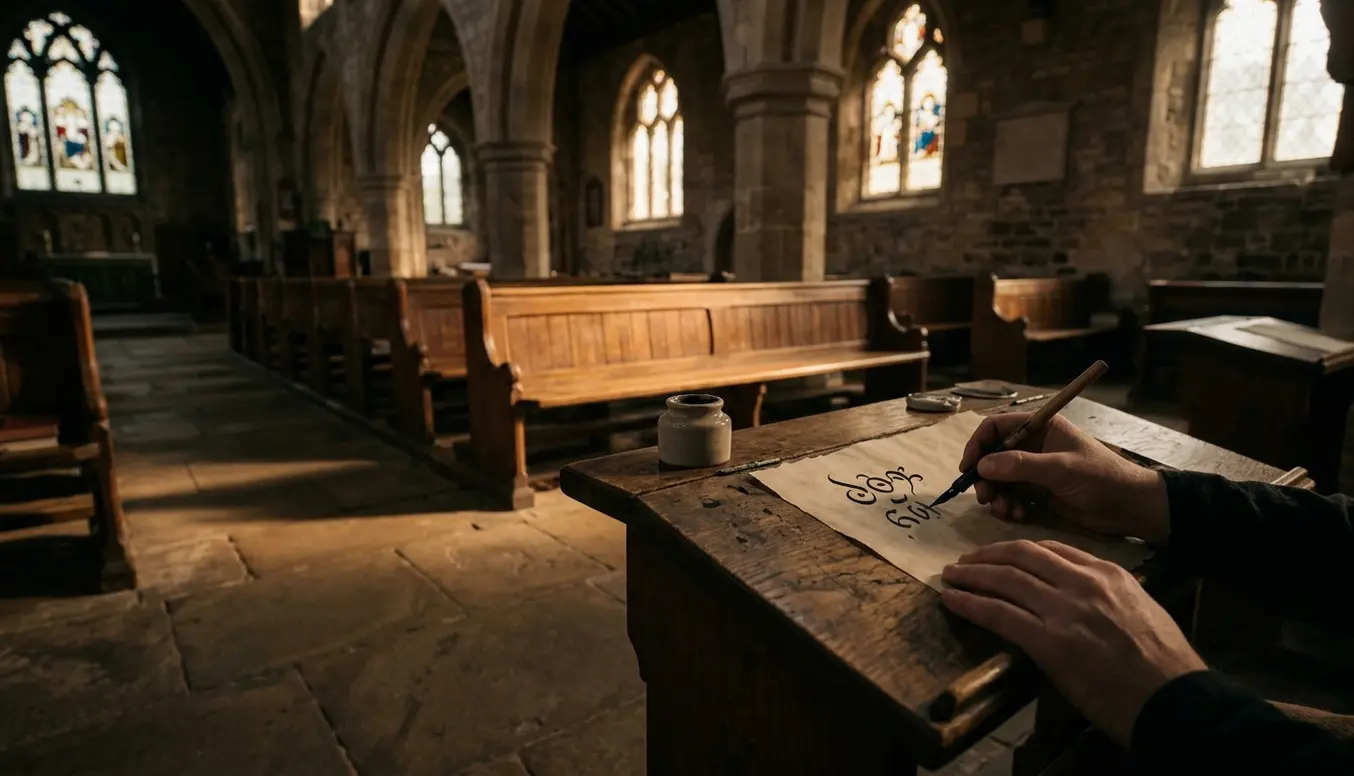
After centering and reading, write only a few sentences. This prevents over-analysis. A useful journal entry may be as plain as:
- What sentence met me today?
- What did it ask of my conduct?
- Where did I feel peace, resistance, or tenderness?
- What act of compassion can I practice before the day ends?
The aim is not to build a private mythology around every session. The aim is to let the light become livable.
Closing Prayer: Teach Me to See With Love
Beloved Source of Light, purify my attention.
Let my eyes become gentle. Let my mind release its hunger for control. Let my heart receive only what serves truth, mercy, courage, and love.
Teach me to behold without grasping. Teach me to read sacred words without using them to escape the duties of this day. Where my perception has become harsh, soften it. Where my longing has become restless, steady it. Where I have sought signs more than service, return me to compassion.
May I see my brothers and sisters with greater tenderness. May I recognize light without becoming proud of seeing it. May every true illumination make me more patient, more honest, and more willing to serve.
Amen.
Meditation prompt
Rest the eyes on a candle, window light, or printed page. Breathe slowly. On the exhale, repeat the phrase, “May my seeing become loving.” Repeat it a handful of times.
Then close the practice with one ordinary act of kindness.